
Buy Adderall Online
Showing 1–12 of 13 results
-
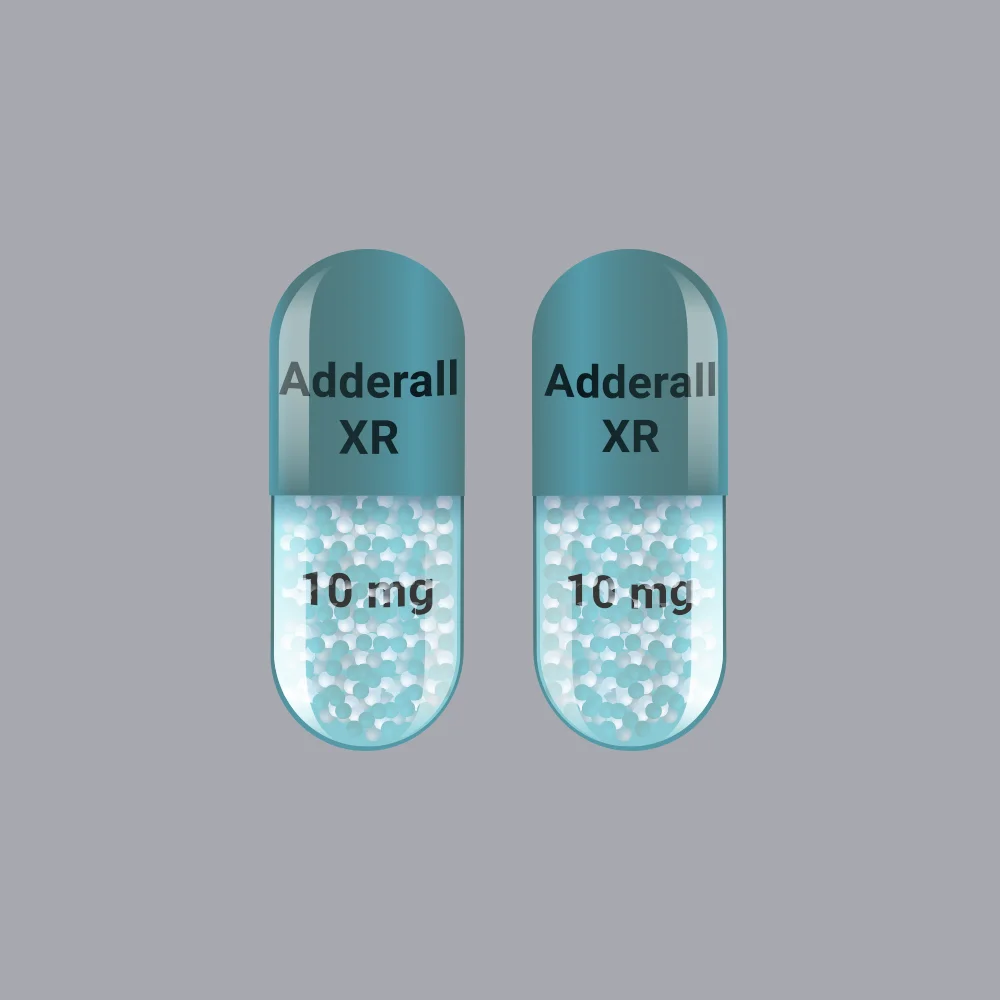
Adderall 10mg
$337Select options This product has multiple variants. The options may be chosen on the product page -

Adderall 12.5mg
$367Select options This product has multiple variants. The options may be chosen on the product page -

Adderall 15mg
$357Select options This product has multiple variants. The options may be chosen on the product page -
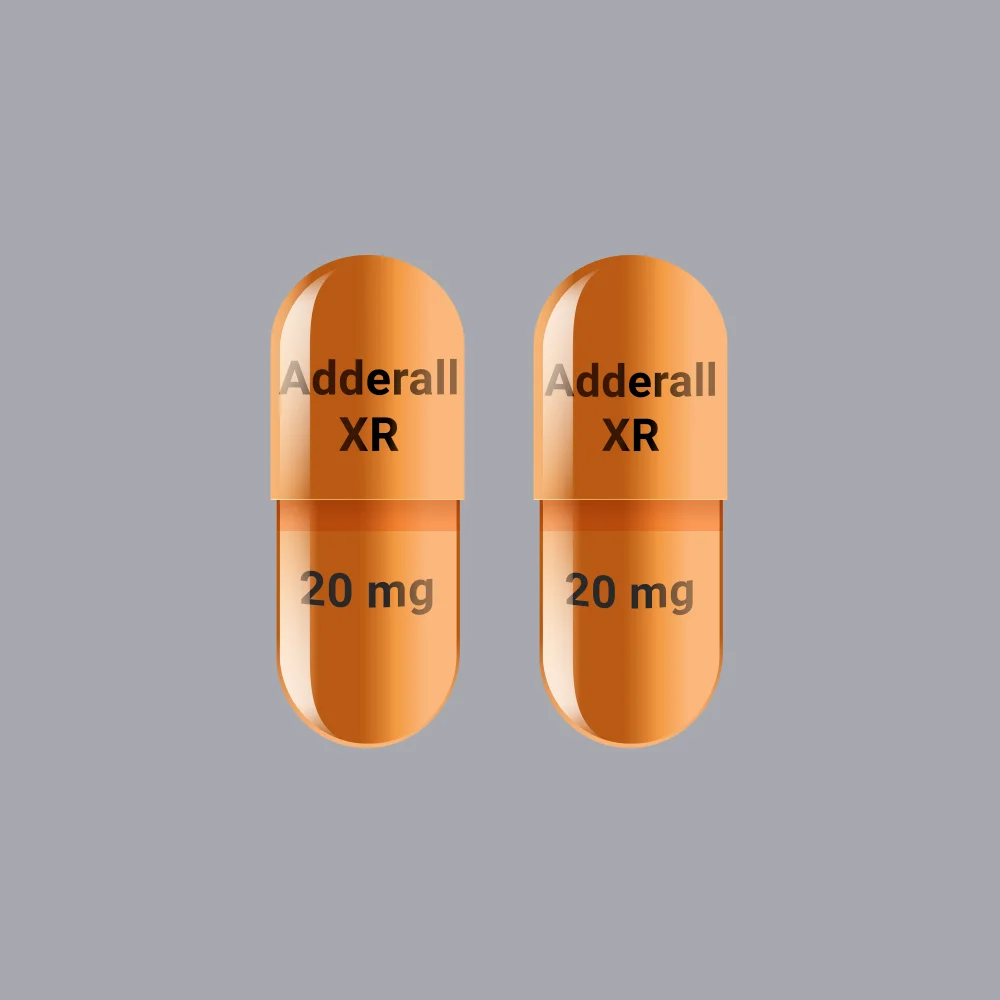
Adderall 20mg
$367Select options This product has multiple variants. The options may be chosen on the product page -
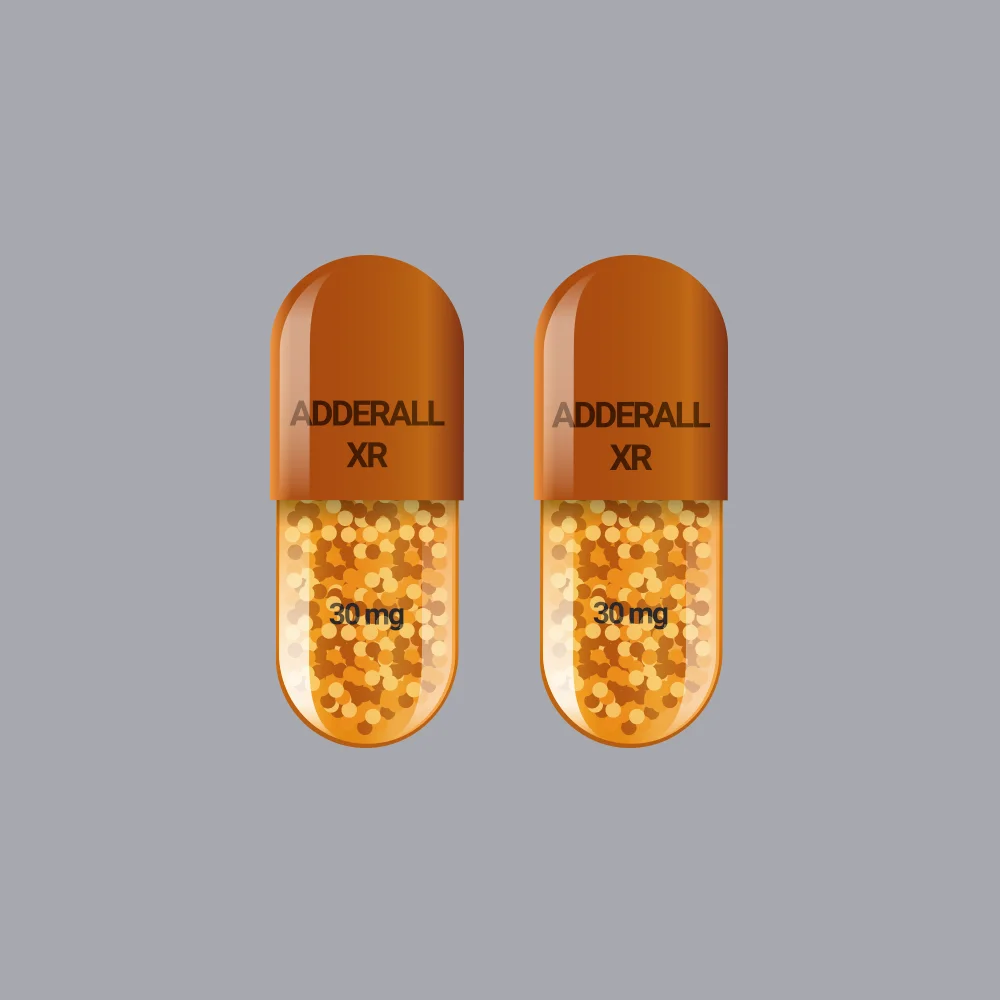
Adderall 30mg
$437Select options This product has multiple variants. The options may be chosen on the product page -

Adderall 5mg
$307Select options This product has multiple variants. The options may be chosen on the product page -

Adderall 7.5mg
$337Select options This product has multiple variants. The options may be chosen on the product page -
Adderall XR 10mg
$337Select options This product has multiple variants. The options may be chosen on the product page -
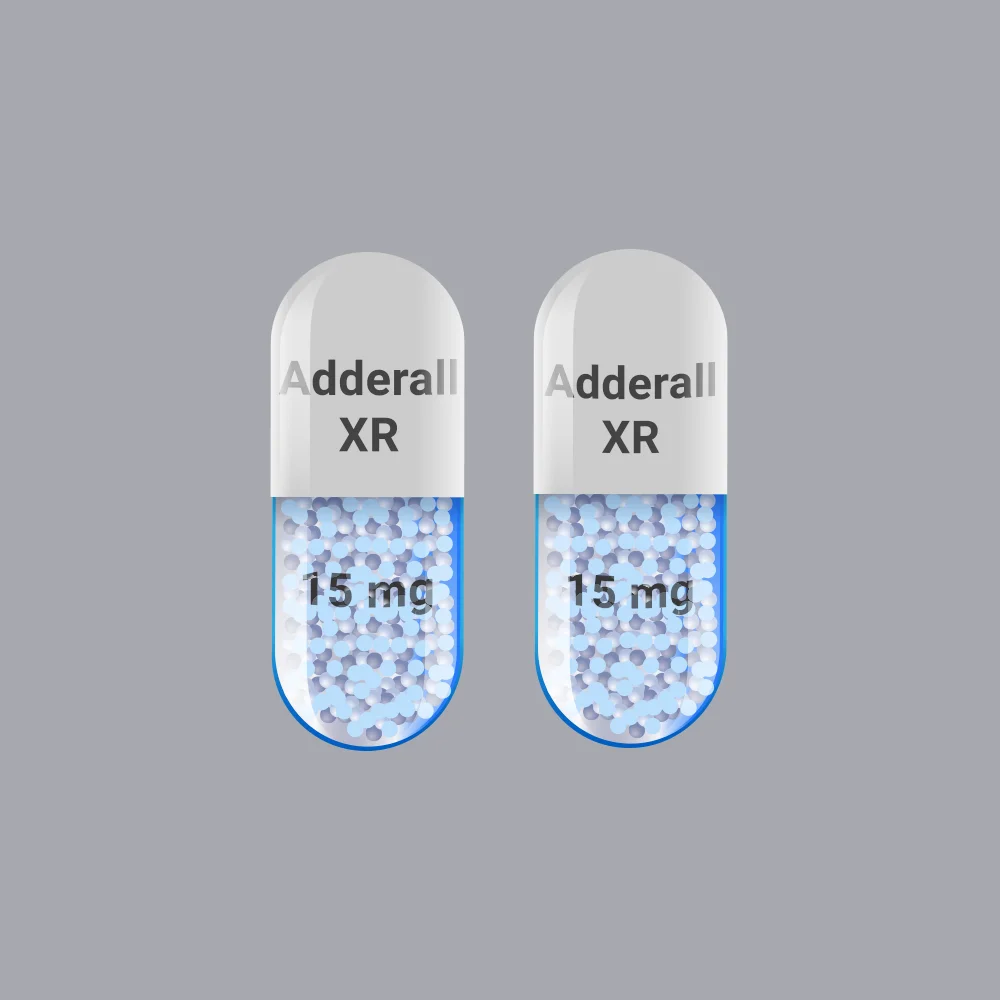
Adderall XR 15mg
$327Select options This product has multiple variants. The options may be chosen on the product page -
Adderall XR 20mg
$337Select options This product has multiple variants. The options may be chosen on the product page -
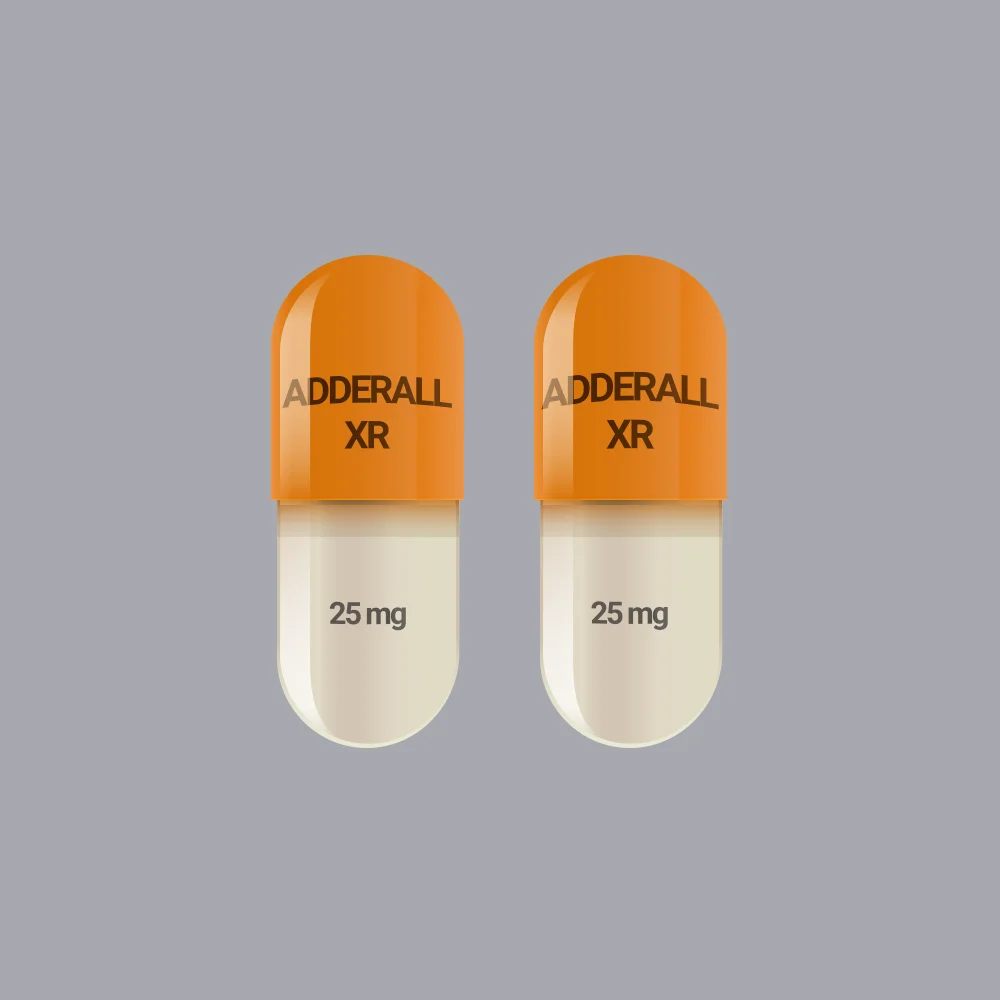
Adderall XR 25mg
$357Select options This product has multiple variants. The options may be chosen on the product page -
Adderall XR 30mg
$367Select options This product has multiple variants. The options may be chosen on the product page
What Is Adderall?
Adderall is a prescription medication that combines two active ingredients: amphetamine and dextroamphetamine. These are central nervous system (CNS) stimulants that work by increasing the levels of certain neurotransmitters—dopamine and norepinephrine—in the brain. This helps improve focus, attention, and impulse control in individuals with Attention Deficit Hyperactivity Disorder (ADHD) and promotes wakefulness in those with narcolepsy, a chronic sleep disorder.
Adderall belongs to a class of medications known as stimulants and is classified as a Schedule II controlled substance by the U.S. Drug Enforcement Administration (DEA). This classification means it has a recognized medical use but also carries a high potential for abuse and dependence.
Two Forms of Adderall
Adderall is available in two primary formulations to meet different patient needs:
- Adderall (Immediate-Release): This form releases the medication quickly into the body, providing effects that typically last for a few hours. It is usually taken multiple times throughout the day.
- Adderall XR (Extended-Release): This version is designed to release the medication gradually over an extended period, allowing for once-daily dosing. It is typically taken in the morning upon waking, as taking it later in the day can interfere with sleep.
Uses of Adderall
Adderall is FDA-approved to treat two primary conditions:
- Attention Deficit Hyperactivity Disorder (ADHD): In adults and children aged 6 years and older, Adderall helps manage core symptoms of ADHD, including inattention, hyperactivity, and impulsivity. It can help improve the ability to focus on tasks and reduce disruptive behaviors.
- Narcolepsy: For individuals with narcolepsy, Adderall enhances wakefulness and helps manage excessive daytime sleepiness.
Proper Dosage Guidelines
Adderall dosage is highly individualized, and your doctor will determine the right amount based on your specific condition, age, and response to treatment. The goal is to find the lowest effective dose that provides therapeutic benefits while minimizing side effects.
For ADHD, children ages 3 to 5 typically start with 2.5 mg daily, while children ages 6 and older and adults usually begin with 5 mg daily. For narcolepsy, typical dosages range from 5 to 60 mg daily.
Important dosage precautions include:
- Always follow your doctor’s prescribed instructions exactly.
- Never take an extra dose to make up for a missed one; if it’s close to your next scheduled dose, skip it.
- Adderall XR capsules should be swallowed whole and not crushed or chewed, though the contents can be sprinkled on applesauce if needed.
Potential Side Effects
Like all medications, Adderall can cause side effects. Common ones include:
- Loss of appetite and weight loss
- Difficulty sleeping (insomnia)
- Dry mouth
- Headache and dizziness
- Stomach pain
- Mood changes or nervousness
- Increased heart rate
Serious side effects that require immediate medical attention include:
- Chest pain, difficulty breathing, or fainting (signs of heart problems)
- Hallucinations, paranoia, or new behavioral changes (signs of psychosis)
- Numbness, coldness, or color changes in fingers or toes (circulation problems)
- Seizures or muscle twitches
- Vision changes
Important Safety Information and Interactions
Contraindications: Do not take Adderall if you:
- Have taken a monoamine oxidase inhibitor (MAOI) within the past 14 days
- Have glaucoma
- Have an overactive thyroid
- Have a history of drug abuse or are allergic to amphetamine products
Drug Interactions: Adderall can interact with various medications, including:
- Certain antidepressants (SSRIs, tricyclic antidepressants)
- Blood pressure medications
- Antihistamines and cold medicines
- Acid-reducing medications (antacids can increase absorption)
- Triptans for migraine headaches
Always provide your doctor with a complete list of all medications, supplements, and over-the-counter products you’re taking to avoid potentially dangerous interactions.
Pregnancy and Breastfeeding: Adderall may cause fetal harm and is not recommended during pregnancy or breastfeeding. A pregnancy registry exists for women exposed to Adderall during pregnancy, and patients should discuss risks with their healthcare provider.
Prevention and Responsible Use
Adderall, when used as directed, can be an effective treatment for ADHD and narcolepsy. However, responsible use is critical due to its potential for misuse and addiction.
Key safety practices include:
- Never share your medication with others.
- Store Adderall securely and out of reach of children.
- Avoid alcohol consumption during treatment.
- Do not crush, snort, or inject the medication.
- Attend regular check-ups with your doctor for monitoring.
Conclusion
Adderall is a valuable medication for managing ADHD and narcolepsy when used appropriately and under proper medical supervision. While it offers significant benefits for those who need it, it also carries risks of side effects, interactions, and potential for dependence. The most important step is consulting with a qualified healthcare provider who can determine if Adderall is right for you and provide ongoing monitoring to ensure safe and effective treatment.