
Buy Klonopin Online
Showing all 3 results
-
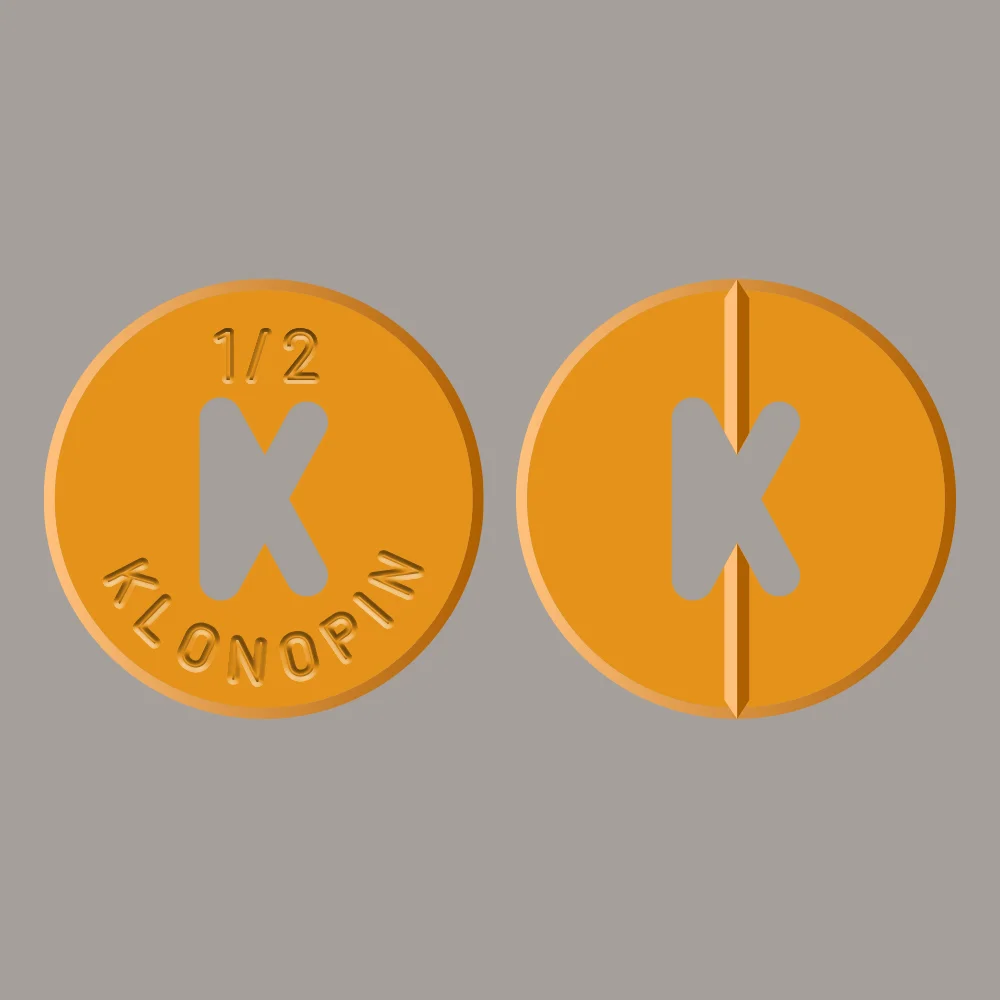
Klonopin 0.5mg
$308Select options This product has multiple variants. The options may be chosen on the product page -
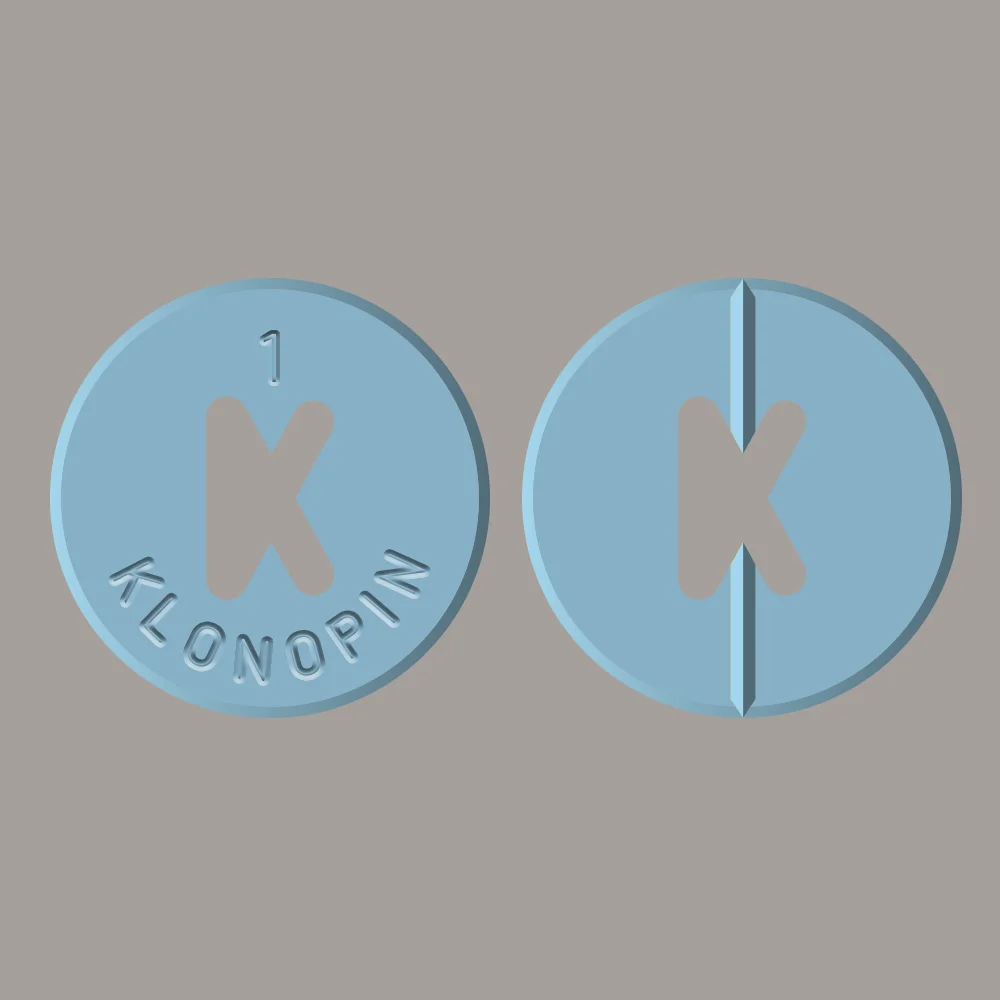
Klonopin 1mg
$328Select options This product has multiple variants. The options may be chosen on the product page -
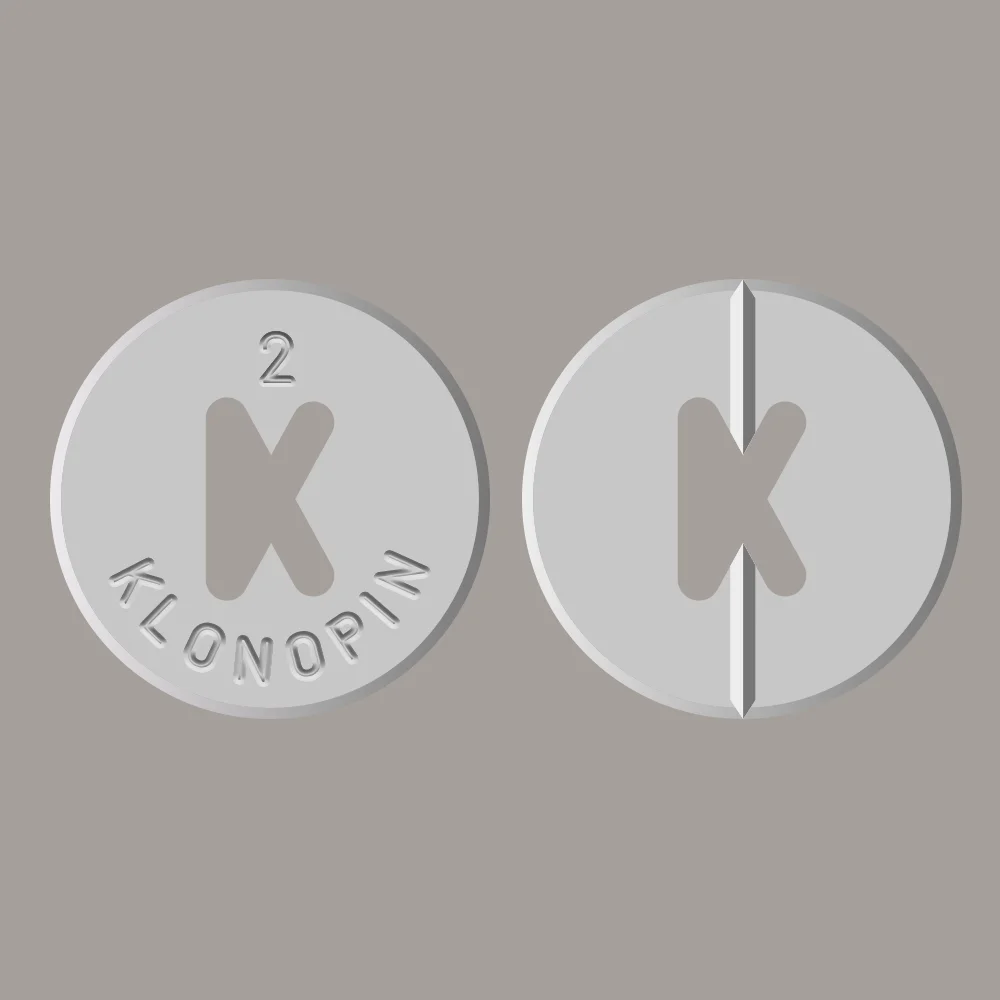
Klonopin 2mg
$338Select options This product has multiple variants. The options may be chosen on the product page
Klonopin (Clonazepam): What to Know Before You Start
Klonopin is the brand name for clonazepam, a prescription medicine in the benzodiazepine class. Doctors use it for certain seizure disorders and for panic attacks, which are sudden periods of intense fear that can come with a racing heart, shaking, chest tightness, dizziness, or a feeling that something bad is about to happen. It works by calming certain signals in the brain.
That is the medical definition. Real life is messier.
Some people come looking for clonazepam after weeks of poor sleep, constant dread, or panic that hits in traffic, at work, or in the grocery store line for no clear reason. Others have been on it before and want to understand whether it still makes sense for them. Some are caring for a family member and want straight answers, not vague promises. Fair enough. When you are already anxious, fluffy language is the last thing you need.
So here is the simple version: clonazepam can help some people, but it also carries real risks. It can cause drowsiness, dizziness, problems with coordination, and difficulty thinking or remembering. It can also become habit-forming, which means taking more than prescribed, taking it too often, or staying on it longer than directed can create problems that are hard to unwind later.
That point matters. A lot.
For some patients, the hardest part is not starting the medication. It is stopping it the wrong way. MedlinePlus warns not to suddenly stop clonazepam or reduce doses without medical guidance because withdrawal symptoms can be serious. Those symptoms may include anxiety, sleep problems, shaking, muscle twitching, trouble concentrating, memory problems, unusual movements, seizures, depression, or changes in mental health.
That is why a good clonazepam page should not read like a sales pitch. It should read like a useful page written for a busy adult who needs facts fast.
Who Klonopin Is Usually Prescribed For
Clonazepam is commonly prescribed for two main uses:
- Certain seizure disorders
- Panic attacks or panic disorder
That does not mean it is the right fit for every kind of anxiety, every stress problem, or every rough patch. Feeling overwhelmed after a bad week is not the same thing as having a condition that should be treated with a benzodiazepine. Short-term distress, work burnout, grief, poor sleep, alcohol use, stimulant use, and medication side effects can all look like “anxiety” from the outside.
That is one of the honest limitations of this medicine: it can reduce symptoms without fixing the reason those symptoms showed up in the first place.
That may sound obvious, but people forget it all the time. When panic is loud, relief feels like the whole story. It usually isn’t.
What the Different Strengths Mean
Your current category page lists 0.5mg, 1mg, and 2mg strengths. Source Those numbers matter because clonazepam is not the sort of medication people should adjust casually on their own.
MedlinePlus notes that doctors often start with a low dose and increase it gradually, usually not more often than once every 3 days. It is also taken one to three times a day, with or without food, depending on the prescription.
That gradual approach is there for a reason. If the dose is too low, a patient may feel no benefit and assume the medication “doesn’t work.” If the dose is too high, side effects can show up fast. Either way, guessing is a bad plan.
A useful category page should make one thing very clear: strength is not a quality ranking. A higher milligram dose is not “better.” It is simply different, and it should match a clinician’s judgment, a patient’s history, and the intended use.
Important Safety Risks People Need to Read First
This section should be impossible to miss.
Clonazepam may cause serious or life-threatening breathing problems, severe drowsiness, or coma when used with certain other medicines, especially medications used for pain or cough that depress breathing. MedlinePlus says to get medical help right away for symptoms such as unusual dizziness, extreme sleepiness, slowed breathing, or unresponsiveness.
It also says clonazepam may be habit-forming.
And there is more:
- Alcohol can worsen side effects.
- It may affect driving or operating machinery because it can make you sleepy.
- It should not be shared with anyone else. MedlinePlus states that clonazepam is a controlled substance and refills are limited.
- Some patients may experience changes in mood or mental health, including suicidal thoughts or unusual behavior changes, and those symptoms need immediate attention.
That is the part many weak product pages bury in fine print. They should not.
A Detail Most Pages Skip
Here is one small but useful detail most competitors would leave out: grapefruit and grapefruit juice may matter while taking clonazepam. MedlinePlus specifically tells patients to talk with their doctor about grapefruit use during treatment.
It is not dramatic. It is not marketing copy. But it is exactly the kind of detail that makes a page feel written by someone who respects the reader’s time.
Another practical detail: if the prescription is for the orally disintegrating tablet, MedlinePlus says not to push it through the foil. Peel the foil back with dry hands, place the tablet in the mouth right away, and let it dissolve.
That tiny instruction has more value than a paragraph full of empty adjectives.
Who Should Slow Down and Ask More Questions
Some patients need a more careful review before taking clonazepam. MedlinePlus says people should tell their doctor if they have or have had:
- Glaucoma
- Liver disease
- Lung disease
- Kidney disease
- A history of heavy alcohol use, street drug use, or overuse of prescription medications
- Depression or other mental health conditions
Pregnancy and breastfeeding also belong in that conversation. So does age. MedlinePlus advises older adults to talk with a doctor about the risks and benefits of taking clonazepam.
This is where honest content matters most. Not everyone who asks about clonazepam should end up taking clonazepam. A useful medical page should make room for that truth.
Common Side Effects
Plain list. No sugarcoating.
The common side effects MedlinePlus highlights include:
- Drowsiness
- Dizziness
- Unsteadiness
- Problems with coordination
- Difficulty thinking or remembering
For a parent with kids to drive, a nurse working long shifts, a student taking exams, or someone operating equipment at work, those effects are not minor details. They can shape whether this medication is practical at all.
People do not just take medication in theory. They take it in cars, offices, kitchens, classrooms, and waiting rooms.
That is the standard a good page should meet.
Stopping, Missing Doses, and Storage
This is another place where short, clear guidance beats fancy writing.
If a patient misses a dose, MedlinePlus says to take it when remembered unless it is almost time for the next dose. In that case, skip the missed dose and return to the regular schedule. Do not double up.
For storage, it should stay in the original container, tightly closed, at room temperature, away from excess heat and moisture, and out of reach of children. MedlinePlus also warns that many medicine containers are not child-resistant and recommends locking safety caps and placing medicines up high and out of sight.
That may sound like small print. It is not. In real homes, “I’ll put it away later” is how accidents happen.
For disposal, MedlinePlus advises using a medicine take-back program and says not to flush unused medication down the toilet.
One Honest Thing Worth Saying Out Loud
Here is the line many websites avoid because it does not help conversion numbers:
If you are looking for a medicine you can increase, decrease, skip, restart, and mix with alcohol whenever life gets hard, clonazepam is a poor choice.
That is not a moral judgment. It is a safety fact.
This medication asks for consistency, supervision, and some patience. For the right patient, that may be manageable. For the wrong patient, it can become a cycle of relief, rebound symptoms, confusion, and dependence.
A page that pretends otherwise is not helping anyone.
What a Safer Next Step Looks Like
The right next step is not “add to cart and hope for the best.” It is slower than that.
A better next step looks like this:
- Review symptoms carefully — panic attacks, seizures, sleep issues, medication history, alcohol use, and other health conditions all matter.
- Confirm current medications — especially anything that can increase drowsiness or slow breathing.
- Use the exact prescribed dose — not more, not more often, not longer than directed.
- Watch for side effects early — especially sedation, impaired coordination, breathing problems, and mood changes.
- Do not stop suddenly — tapering decisions belong with a clinician.
That is less exciting than aggressive drug-store copy. It is also much more useful.
Final Word
People searching for information about Klonopin are usually not looking for poetry. They want to know what it is, what it does, what can go wrong, and what to do next.
So give them that.
Tell them clonazepam is used for certain seizure disorders and panic attacks. Tell them it can cause drowsiness, dizziness, and coordination problems. Tell them it may be habit-forming. Tell them it should not be stopped suddenly. Tell them alcohol can make things worse. Tell them breathing problems can become dangerous when it is combined with certain medications. Tell them grapefruit is one of those oddly specific details worth checking before treatment.
And tell them, plainly, that the goal is not to chase relief at any cost. The goal is to use the right treatment, in the right way, with the right oversight.